Vehicle identification
RFID/AVI can associate measurements with individual rail vehicles, support consist information and match empty and loaded Dynamass transactions. Vehicle identity can support release notes and loading manifests.
Solutions
On-Track Technology develops integrated systems for freight, mining, industrial and infrastructure rail applications. Our work connects rail-mounted measurement and locomotive equipment with communications, software, reporting and process integration.
Choose the application closest to your requirement, or tell us what the operation needs to achieve.
Core solutions
Dynamass in-motion rail weighing
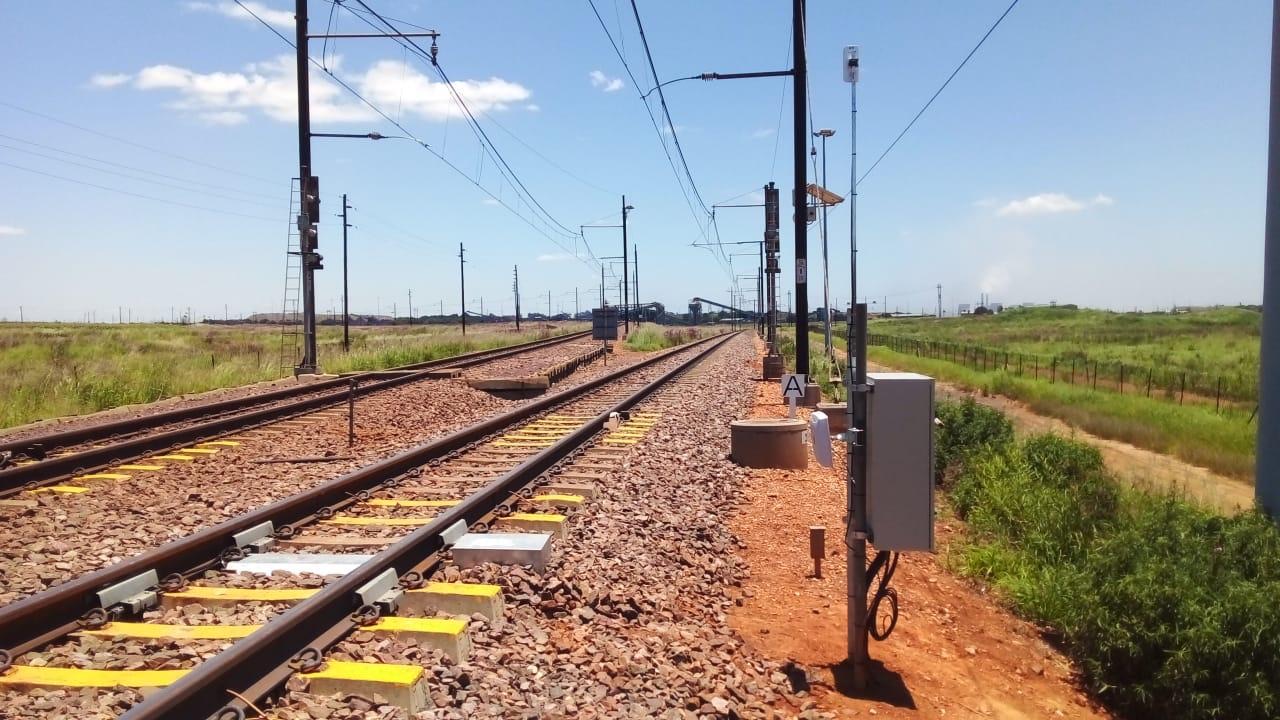
Measure train and vehicle mass, assess load distribution and connect results to loading, reporting or control processes. Dynamass uses sensors retrofitted to the rail and is designed to handle real industrial movements, including stoppage, rollback, reversal and re-weighing.
Best fit: Freight and heavy-haul operations, mine loadouts, terminals and industrial railways.
Explore Dynamass →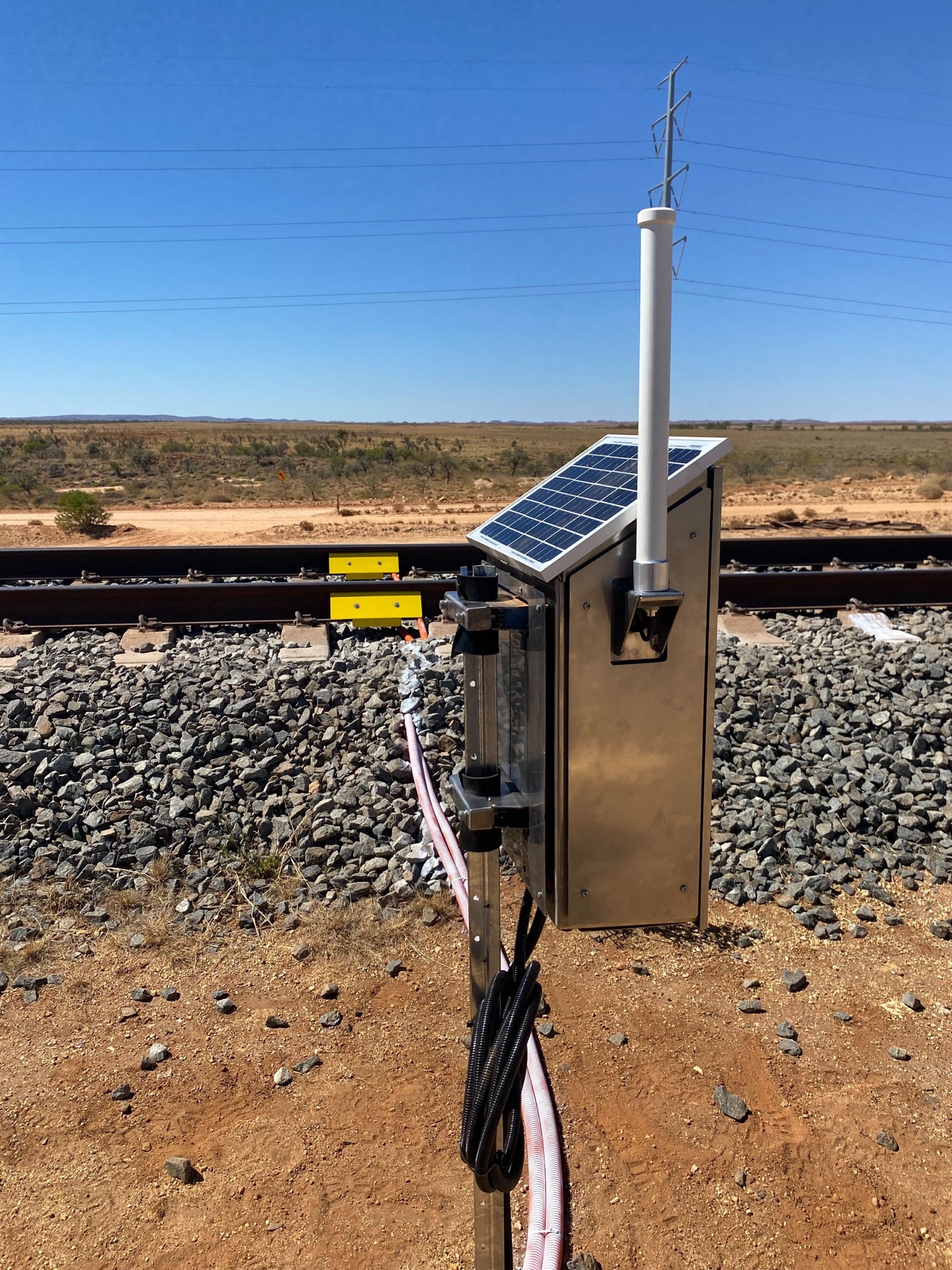
CWRM rail force and temperature monitoring
Measure longitudinal rail force and temperature at instrumented locations, then view trends, exceptions and calculated stress-free or rail-neutral temperature information.
Best fit: Infrastructure owners, track engineers, maintainers and asset-management teams.
Explore CWRM →Private-fleet operational safety
Dynatrack collision avoidance and speed adherence
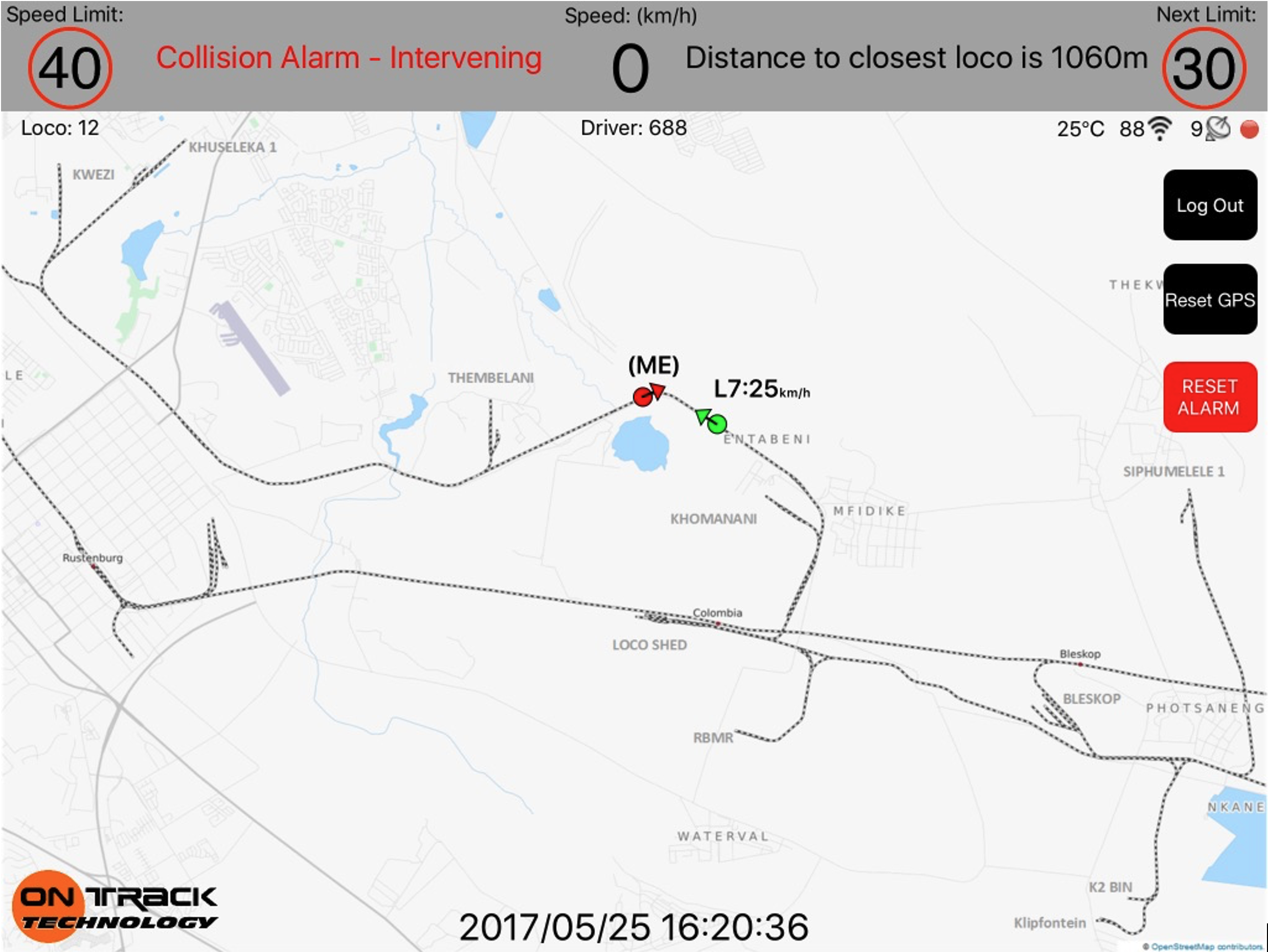
Apply locomotive position, movement and customer-specific operating rules to support collision avoidance and speed-limit adherence on private mining and industrial railways. Dynatrack warns the locomotive operator before configured intervention and provides central monitoring and event history.
Best fit: Closed private rail networks with controlled fleets and site-specific operating rules.
Specialist applications
Bad Load Detection System (BLDS)
BLDS extends a Dynamass weighing application with camera evidence. When the weighing system identifies a configured undesirable load condition, it triggers an image of the wagon contents and associates the alert information with the vehicle result.
The system also generates a real-time alert so the condition can be assessed and acted upon. The alert does not itself imply automatic stopping or load correction.
Explore Dynamass and BLDS →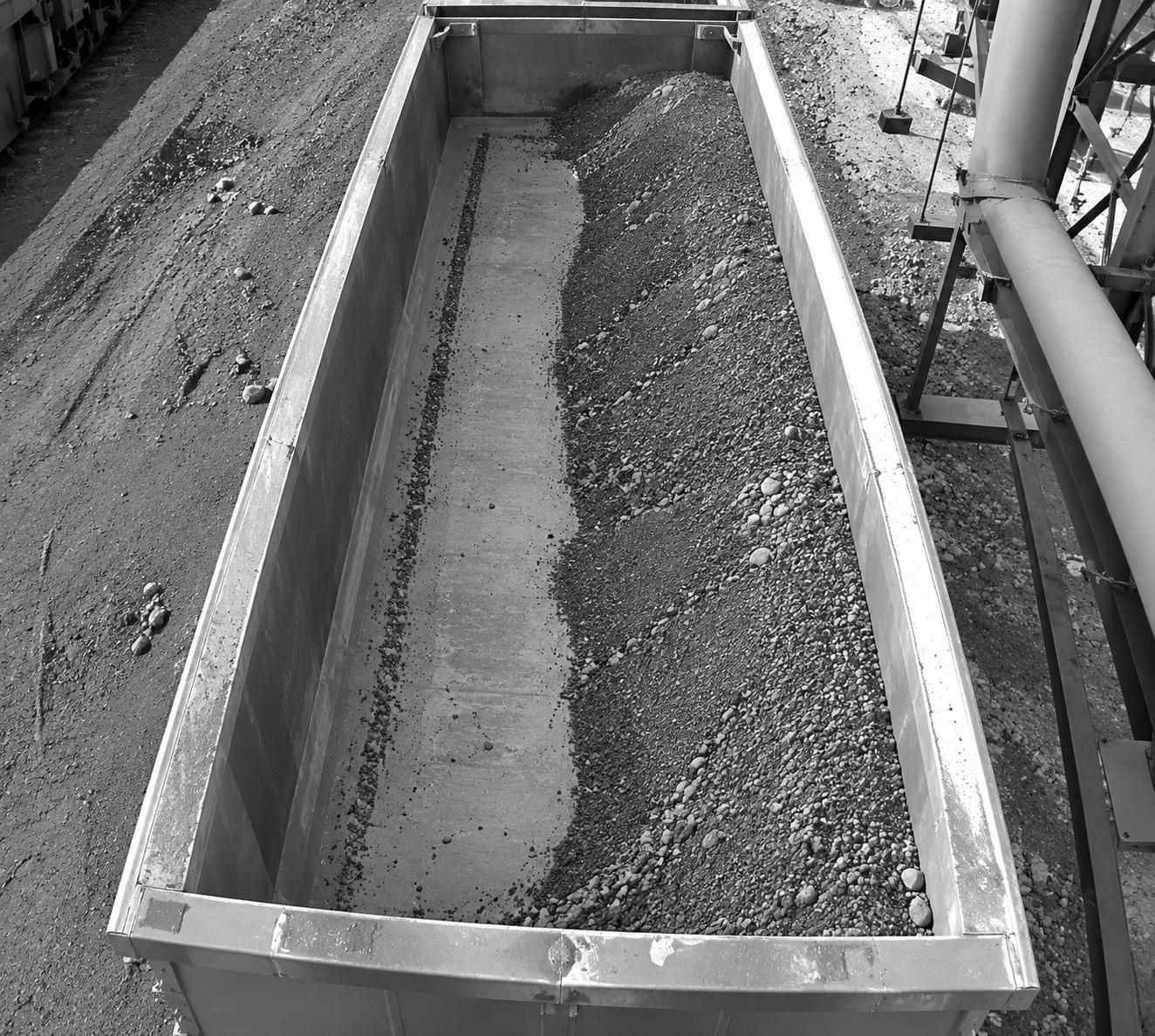
AI-generated illustration of a loading condition; not actual camera output.
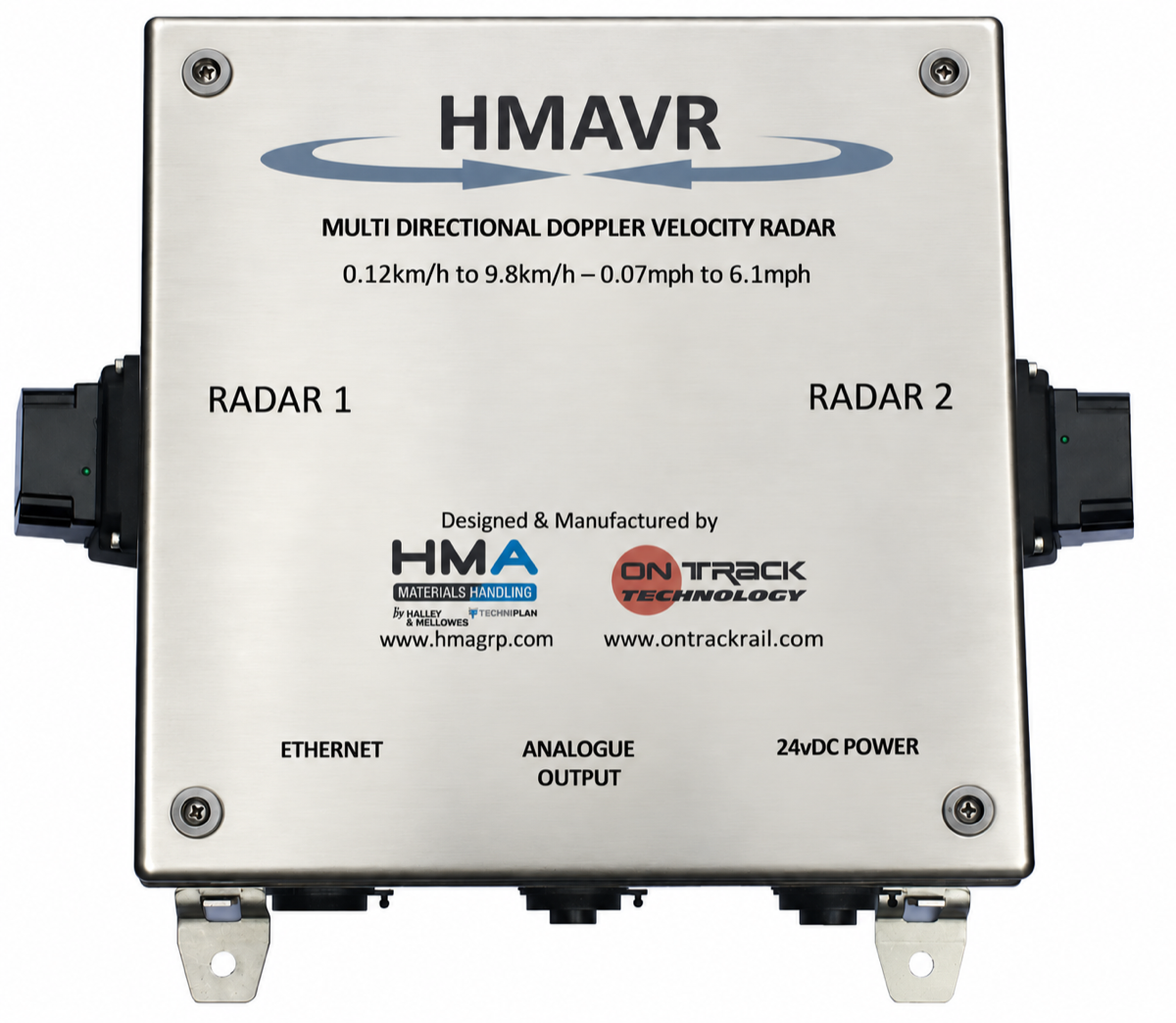
HMAVR train-speed monitoring
HMAVR uses bidirectional radar to provide accurate speed feedback during low-speed train movements. Configurable radar settings provide maximum measurement speeds up to 18 km/h and minimum thresholds as low as 0.12 km/h. Results can be presented locally or supplied to a customer control system for loading and other controlled processes.
HMAVR is actively offered by OTT and HMA in their respective markets.
Discuss train-speed monitoring →Connected capabilities
RFID/AVI can associate measurements with individual rail vehicles, support consist information and match empty and loaded Dynamass transactions. Vehicle identity can support release notes and loading manifests.
Local applications, mobile access, browser services and automated distribution put results where authorised users need them. The arrangement depends on the product and site infrastructure.
OTT systems can make results available to customer control and information systems. Interfaces, timing and responsibilities are defined around the application.
Low-power equipment, cellular or industrial radio communications, equipment-health information and remote diagnostics can support distributed or difficult-to-access installations.
Emerging capability
OTT is developing machine-vision capability for applications such as reading vehicle markings, associating images with identified vehicles and checking visible equipment conditions. This work is at a development stage and is not presented as a standard commercial product or a replacement for an agreed inspection process.
Discuss an emerging application →Application review
Tell us about the railway, the information you need and how it will be used. Include the project location and any known operating, infrastructure, communications or integration constraints.